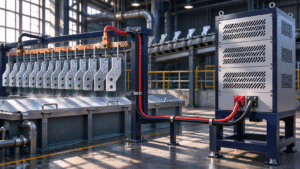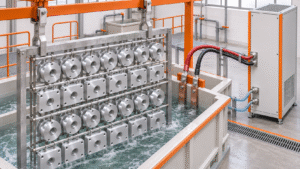
electrolysis dc power supply load-range checks for copper foil development require a clear connection between the purchase specification, the delivered equipment and the acceptance evidence. This guide focuses on the information an industrial buyer and project integrator should agree before releasing the order.
Define the project problem
Copper foil development can move between laboratory conditions and a larger trial arrangement. A supply quotation based on one operating point may not describe the range required by that development plan. Buyers should identify the intended stages before selecting a configuration.
Build the selection basis
An electrolysis DC supply is one part of a complete electrochemical installation. Its selection needs a defined electrical load envelope, connection arrangement, utilities and integration interfaces. The supply acceptance record should state the functions and conditions demonstrated without extending that conclusion to the whole process. The responsible project team defines process evaluation, operating approval and the separate system requirements. Supplier drawings, electrical measurements and process samples become easier to interpret when they share clear configuration identifiers. Changes to a cell, liquid or operating sequence should be compared with the reviewed envelope before being treated as an equivalent accepted condition.
Provide the electrical load range, cell arrangement and process-required output characteristics for each planned stage. Ask the supplier to identify reviewed combinations and exclusions. Agree measurement locations with the trial integrator. Keep foil properties and production claims separate from electrical output acceptance; an image of copper foil does not establish the capability of the proposed process.
Information to resolve before quotation
| Project input | Required handover evidence |
|---|---|
| Electrical load cases for each development stage | Approved project requirement with a revision and an owner. |
| Proposed cell and connection arrangement | Supplier response identifying the reviewed configuration and exclusions. |
| Process-required output characteristics | Drawing or schedule tied to the actual installation. |
| Measurement locations and instrument records | Inspection or test record for the agreed operating case. |
| Limits of the approved operating envelope | Responsibility and release condition recorded in the handover list. |
| Separate foil-quality sampling and acceptance requirements | Open action retained until the responsible party accepts the evidence. |
Plan the acceptance and handover
A planning record should state the actual cell configuration and load for every electrical measurement. Identify development stages that require later approval rather than extending the first test result automatically. Link process samples to the corresponding electrical record, while evaluating foil quality against its own agreed requirements.
The sequence above is a planning example, not a reported customer installation or a guarantee of performance. Establish the actual test arrangement and responsibilities with the equipment supplier and the project owner. Record the configuration and conditions used, preserve deviations and state which checks remain for site commissioning. Detailed installation, electrical work and operating procedures should follow the approved project and supplier documentation.
Who should use this checklist?
This review is intended for industrial purchasing teams, equipment integrators and maintenance or process personnel preparing a defined project. It is most useful when the buyer can provide installation information and assign owners to the remaining questions. It is not a substitute for a model-specific selection or a complete process design. If essential operating information is missing, request clarification rather than accepting an apparently similar catalog unit as an approved replacement.
Prepare an RFQ that suppliers can answer
Send the project requirement, the relevant drawing or process sketch, the intended operating envelope and the information listed in the table. Include the required quantity, delivery expectations, installation location, control or utility interfaces and the documents needed for receiving inspection. Ask the supplier to distinguish included equipment, optional items and exclusions. Keep the approved response and its revision attached to the order so later changes can be assessed against the same basis.
Questions before ordering
Can one development load case approve the later trial scale?
It can support only the conditions it represents. Define the later cases and request a review of the selected configuration. Keep any untested stage as an open requirement with a named acceptance plan.
What evidence should stay with the delivered equipment?
Keep the accepted quotation, equipment identifiers, approved configuration and drawings, inspection or test records, deviation status and the current service-parts information. Assign an owner to any remaining installed-system or process trial. A general brochure should remain background information rather than replacing this project-specific evidence.
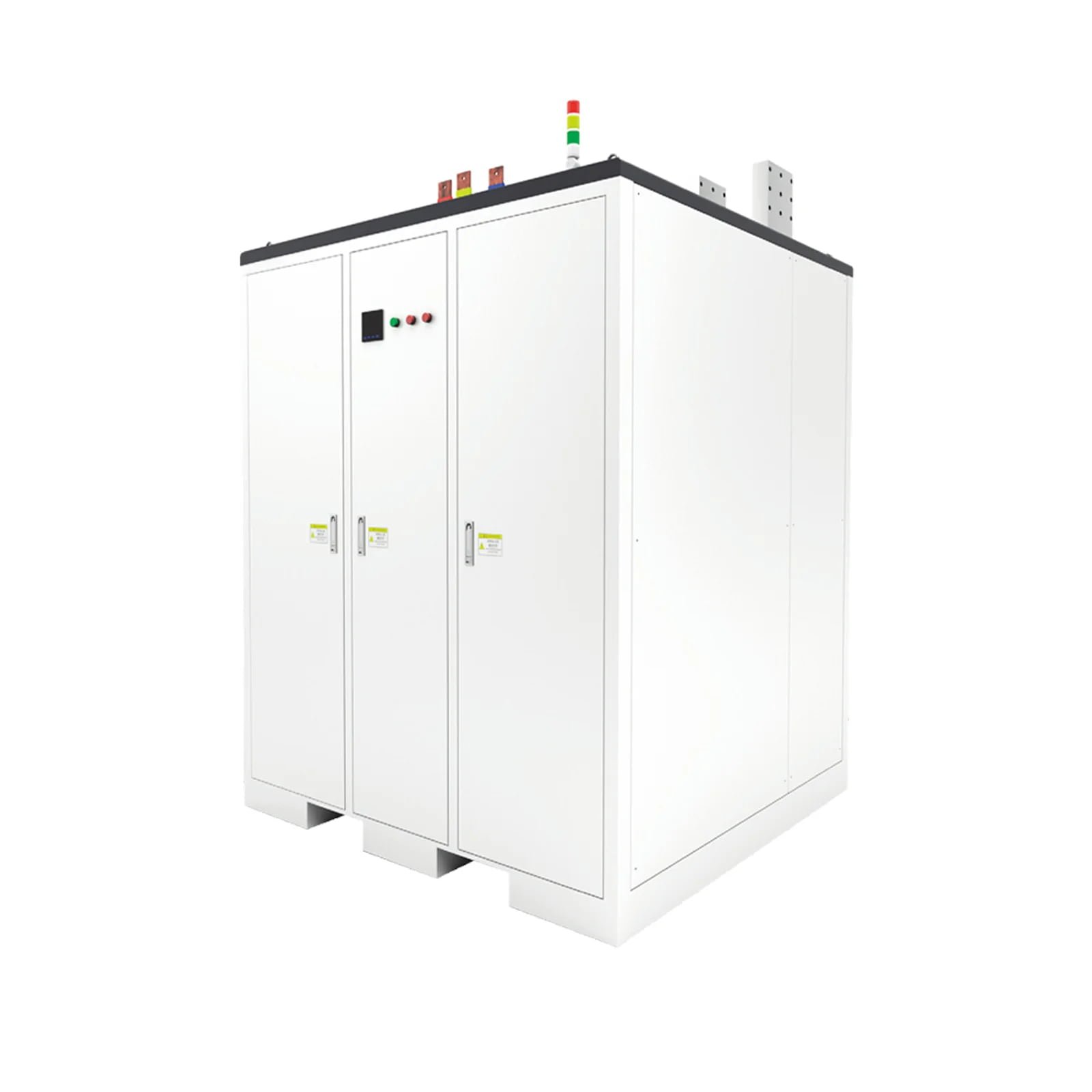
Discuss the electrolysis DC power supply product family with QEEHUA and send your project details for an RFQ. Identify the conditions still requiring review so the proposed configuration and acceptance plan can be assessed together.