For rectifier firmware version delivery baseline, define the purchasing and acceptance boundary. Make the delivered rectifier software identity part of the accepted equipment record. A cabinet model and serial number may not describe the controller firmware, HMI application, parameter file or communication-map revision used during acceptance. Before placing an industrial order, agree which identities will be recorded and how an approved change will be reviewed. This establishes a traceable delivery baseline without assuming remote updates, backup functions or version access that the proposed controller has not demonstrated.
List the components that affect the accepted arrangement
Ask the supplier to identify the relevant controller, operator interface and communication configuration in the proposed equipment. Some versions may be visible on a native information screen; others may be provided in controlled documentation. Record the confirmed method rather than requiring an unverified interface. Use the cabinet serial number to connect the information to the physical delivery.
Keep different revision subjects distinct. A drawing revision, firmware identifier and parameter-file revision do not necessarily change together. The baseline should say which item each identifier describes. The project owner can then determine whether a proposed change affects an accepted function, documentation only or another part of the supply. A single generic latest-version label gives the buyer little basis for evaluating that distinction.

Ask what can be retained and restored
Request the available configuration documentation, permitted backup method and applicable support procedure. Confirm any file format, access requirement and compatibility limitation through the supplier's actual documentation. A version number alone does not establish that a backup exists or that a file can be restored to another unit. Replacement hardware may introduce a different compatibility question.
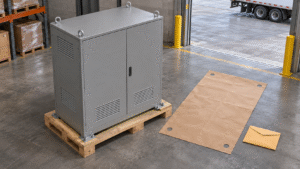
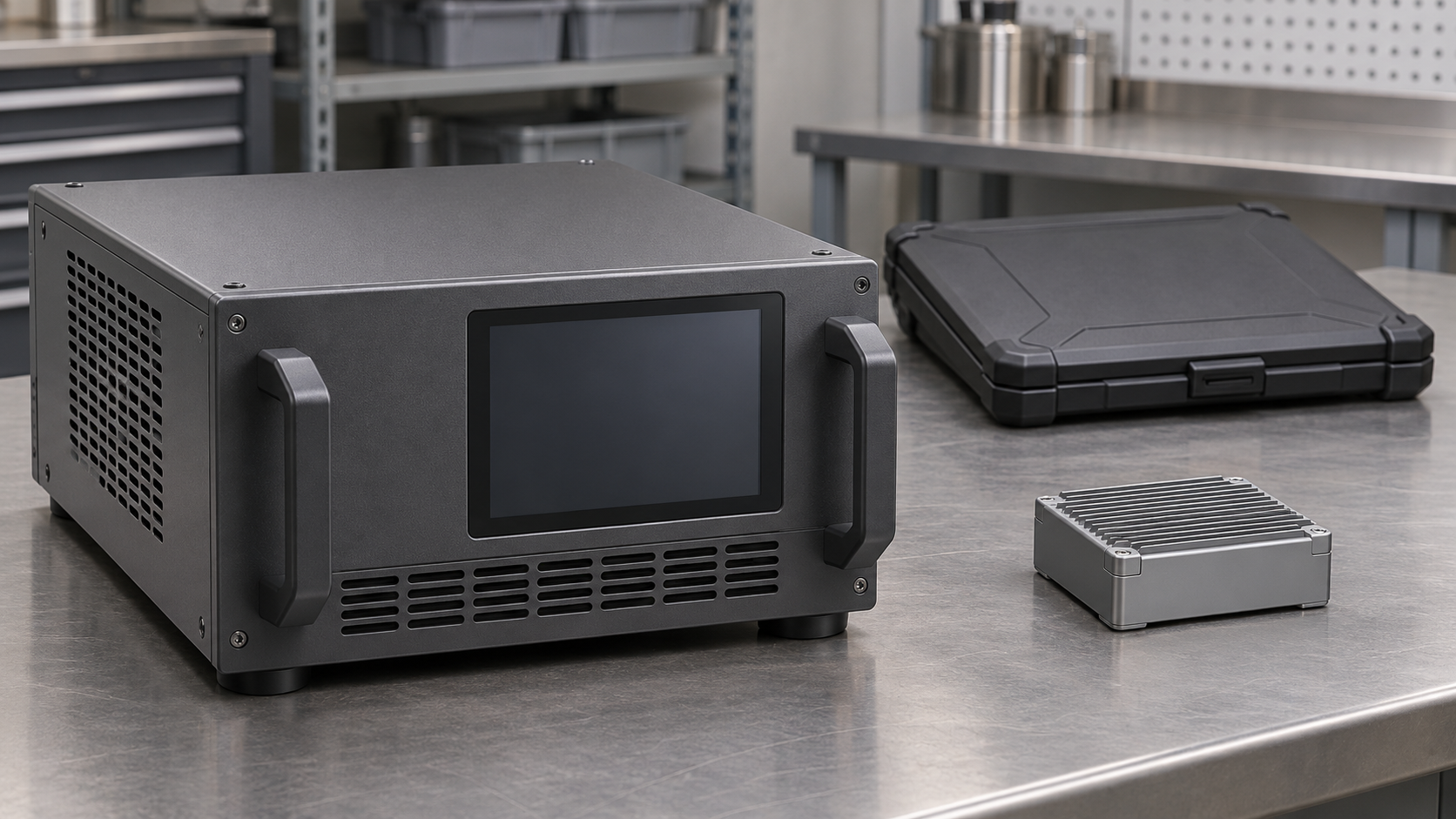
Do not distribute passwords or assume unrestricted update access as part of the article's checklist. The site and supplier should agree their normal authorized maintenance process. For procurement, the useful evidence is the confirmed method, responsibilities and delivered documentation. A conceptual image of a controller enclosure illustrates the subject; it is not a screenshot of an actual version page or evidence that a particular backup feature is fitted.
Connect the baseline to the actual acceptance evidence
Identify the versions and parameter record used when the agreed demonstrations were performed. Link each relevant test report to the equipment identity. An offer-stage configuration list should not silently replace the final as-tested arrangement. If a revision is introduced before shipment, document what changed and which demonstrations or reviews were repeated.
The buyer should request a clear acceptance boundary rather than a promise that software can never change. Changes can have valid engineering reasons, but the project needs a record of their disposition. State who authorizes the change, which integration partners receive it and how the accepted communication map remains consistent with the PLC project. Do not treat a successful power-output test as proof that every interface revision has been checked.

Control changes after shipment
Retain the delivery baseline with the equipment file and the line integrator's corresponding documentation. If a later update or replacement is proposed, compare its identity with the accepted baseline before deciding the review scope. Record the reason, supplier response, relevant compatibility information and acceptance disposition. Keep the original record so the equipment's history remains understandable.
The RFQ should still include voltage, current, process duty, cooling, control mode and site requirements. Software traceability complements those engineering parameters. Ask QEEHUA to confirm the proposed documentation and change-notification scope in its actual offer. No universal update interval, remote-support entitlement, warranty extension or compatibility guarantee is established by requesting a baseline; those conditions must be agreed for the specific supply.
Compare the proposed supply and its evidence
| Buyer need | Recommended product | Key specification | Why it matters |
|---|---|---|---|
| Cabinet and controller identity | Identified industrial rectifier configuration | Order-specific scope and responsible reviewer | Connects the record to the item being purchased |
| As-tested firmware and HMI versions | Identified industrial rectifier configuration | Order-specific scope and responsible reviewer | Makes an important comparison condition visible |
| Approved parameter and interface revisions | Identified industrial rectifier configuration | Order-specific scope and responsible reviewer | Separates observation from an assumption |
| Change review and delivery disposition | Identified industrial rectifier configuration | Order-specific scope and responsible reviewer | Preserves the accepted delivery decision |
Best for defined industrial projects
Best for engineering teams, industrial purchasing managers and distributors preparing an identified industrial rectifier order. Suitable for a project with a documented application, quantity, technical owner and acceptance procedure. Not suitable for inferring a universal equipment capability, fixed commercial term or verified order result from a catalog image. Confirm the offered configuration and the project-specific evidence before approving production supply.
Buyer questions before requesting a quotation
What information should accompany the first RFQ?
Describe the application, destination, proposed configuration, quantity and target delivery date. Include the cabinet and controller identity and identify the person who owns technical approval. Send the relevant drawings, process information or specification revision when available. Ask the supplier to return a proposal that distinguishes confirmed requirements from assumptions, exclusions and options, so the industrial purchase can be reviewed against a clear scope.
Does a general catalog establish this acceptance requirement?
A general catalog provides product context and can help identify the family to discuss. It does not establish the as-tested firmware and hmi versions for the actual order. Ask the supplier to confirm the proposed arrangement and the evidence that will accompany it. Keep product identity, a requested feature, a completed demonstration and the final acceptance decision separate when assessing whether the requirement has been met.
Which documents should the buyer retain?
Retain the accepted technical offer, applicable configuration and revision identities, relevant inspection records and the delivery disposition. Preserve the approved parameter and interface revisions together with any deviation and its review. The useful record connects an observation with the actual supplied item and requirement. An unrelated brochure, image or unconfirmed numerical claim should not replace the evidence specifically required for the project purchase.
Can the documentation and supply scope be customized?
Submit the requested documentation, packaging, identification or other supply change with the inquiry. Include the change review and delivery disposition and explain the intended use. Ask QEEHUA to confirm feasibility, quantity conditions and the effect on price or delivery in the actual proposal. Keep the agreed revision with the order rather than assuming that every requested customization is standard or already included.
How should technical approval and delivery be scheduled?
Close the technical scope, approval owner and outstanding questions before requesting a firm production commitment. Include the cabinet and controller identity, required quantity, destination and target arrival date. Distinguish document review, any agreed evaluation, production completion and transportation. This guide establishes no inventory position, minimum order or fixed lead time; the supplier must confirm those commercial conditions for the actual configuration and project.
Send an identified industrial supply inquiry
For a quotation, provide the application, project country, required quantity, technical specifications, relevant drawings, testing requirements, packaging or OEM needs and target delivery schedule. Identify the unresolved acceptance questions and the person responsible for reviewing the proposal. Contact QEEHUA with the project details to request an actual technical and commercial offer. Keep a proposed value clearly labeled until it is confirmed for the supplied configuration.