
A rectifier DC cable voltage drop acceptance plan should distinguish voltage at the power supply output from voltage at the agreed load boundary. Comparing those values is useful only when the load condition, measurement locations and observation timing are defined. Before buying a rectifier and its output connections, assign responsibility for the cable or busbar package and ask the responsible engineers to agree the measurement arrangement. Keep the acceptance question separate from claims about coating quality or process yield. This guide supports a procurement brief; actual electrical measurements and installation decisions belong to the qualified team and the approved project procedure.
Draw the commercial and measurement boundaries together
Identify whether the quotation includes only the power supply or also output cables, busbars, connections and installation support. Then show the proposed rectifier-side and load-side measurement boundaries on the project interface drawing. Do not let a cable described as supplied by others disappear from the acceptance discussion merely because it is outside the rectifier purchase order.
Record who supplies the connection information and who accepts the completed assembly. A cabinet output reading and a process-terminal reading can differ without either instrument being defective. The inquiry needs a defined comparison before that difference can support a conformity decision.
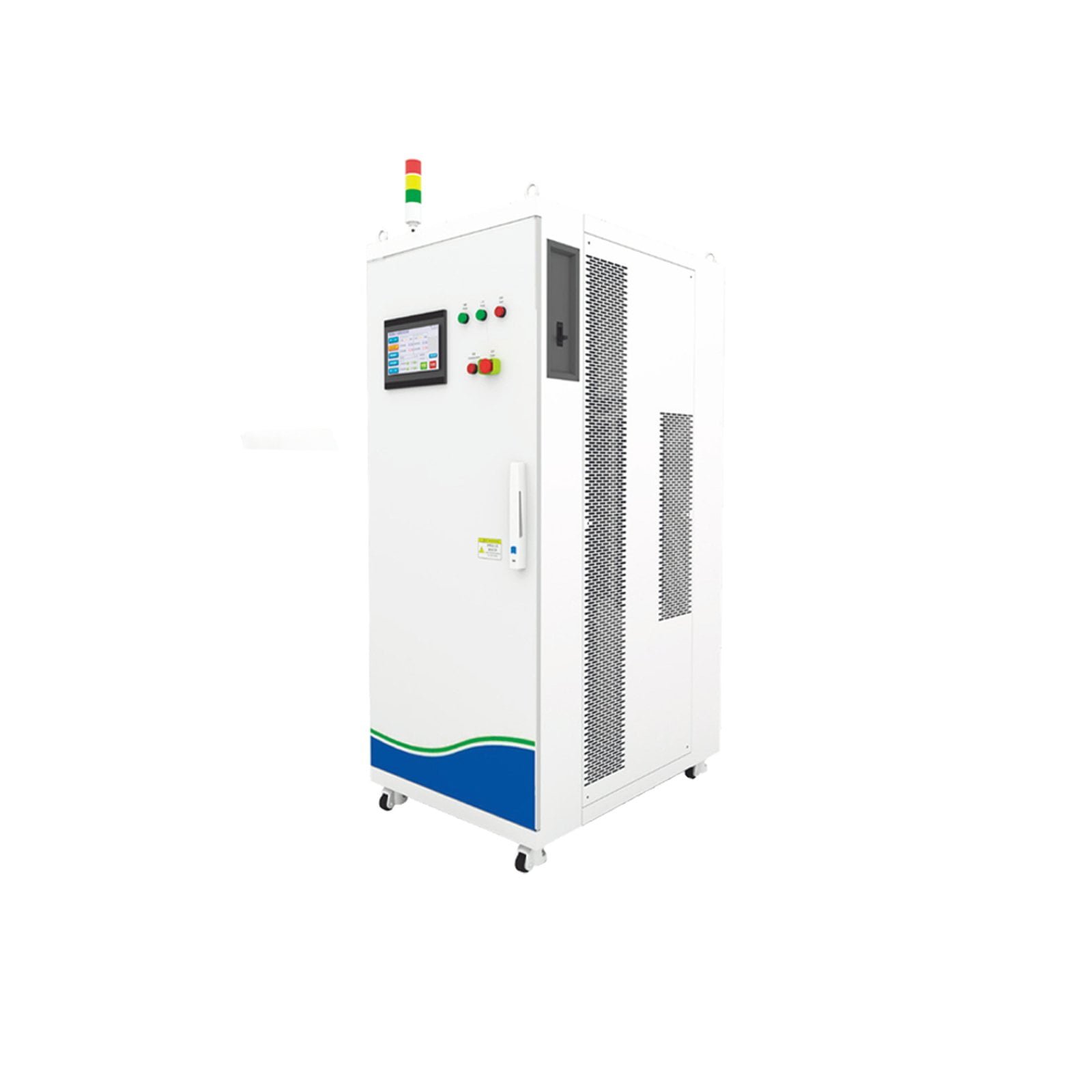
Separate connection losses from power-supply regulation
When the observed load-side voltage differs from the supply-side value, first keep the reported quantities correctly named. The difference across an output connection is not automatically a regulation error inside the rectifier. Nor does a satisfactory cabinet display prove the voltage available at the process boundary.
Ask the offered model documentation to explain the relevant regulation and sensing arrangement. If remote sensing is proposed, confirm its actual availability, intended boundary, limits and integration responsibilities. Do not assume that a generic rectifier family includes that option or that an option compensates for every connection problem. Resolve the supplied configuration before comparing quotations.
Agree comparable operating observations
Voltage observations must be connected to the actual operating condition being reviewed. Record the relevant current, output mode, load configuration and the time relationship between observations. Values taken during different stages of a changing process should not be treated as a simultaneous cable-drop measurement. Ask the responsible team to choose suitable instruments and a controlled method for the actual arrangement.
Preserve instrument identity and the required measurement quality with the records. This article does not prescribe a live-work method, probe location or universal acceptance threshold. Those details require the applicable project documentation and an appropriately authorized engineering procedure.
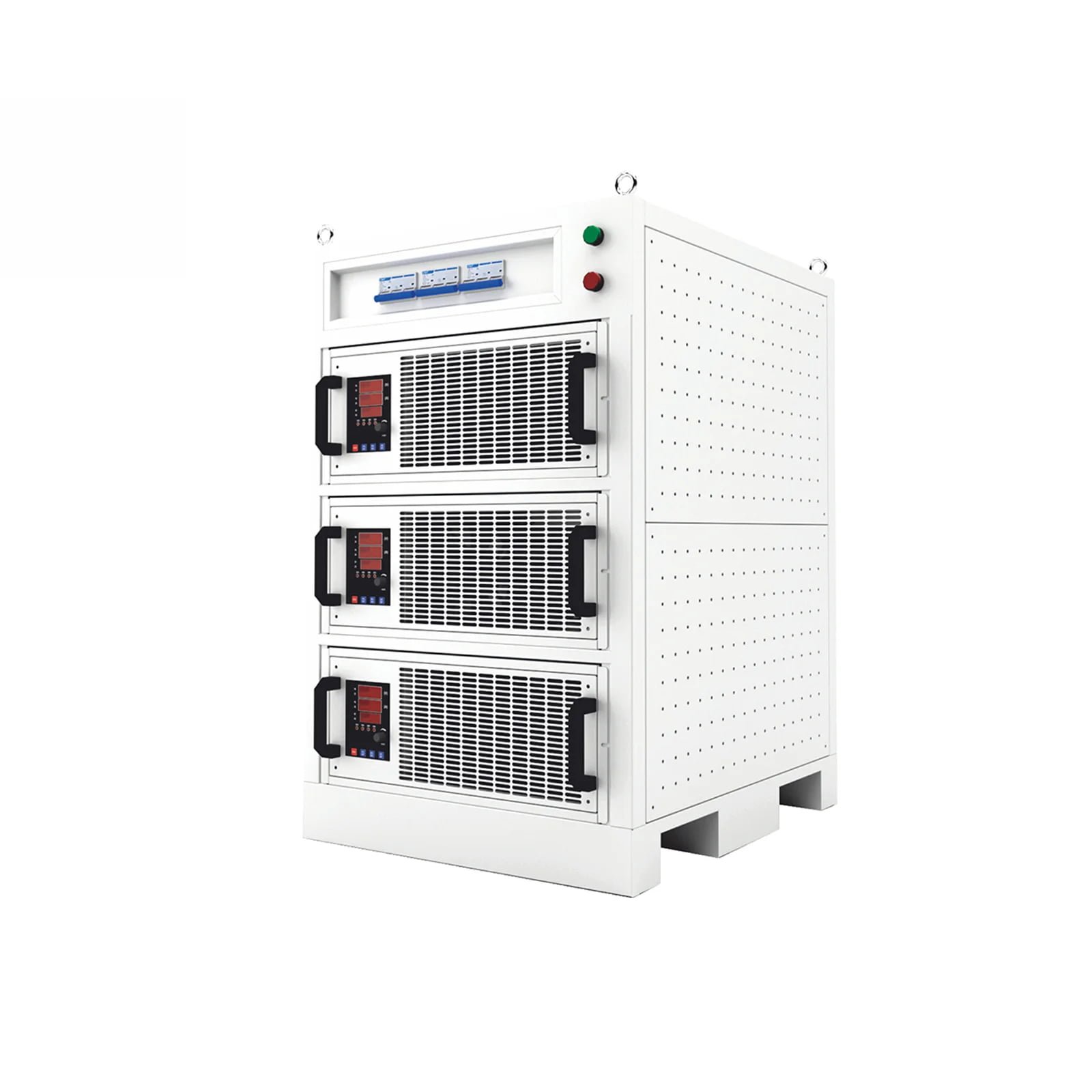
Use the evidence to release the correct scope
The acceptance package should identify the rectifier configuration, connection package, measurement boundaries and agreed result. If the output route, length, termination arrangement or load configuration changes, the responsible team should review which observations remain applicable. A factory review of one connection arrangement cannot automatically accept an unexamined site installation.
Separate an unresolved measurement issue from a confirmed product defect in the commercial record. Ask the suppliers to agree how discrepancies will be investigated and which party provides the next evidence. This gives procurement a usable closure path without turning an unexplained numerical difference into an unsupported allegation.
Buyer needs and the evidence to request
| Buyer need | Recommended scope | Key specification | Why it matters |
|---|---|---|---|
| Rectifier and load boundaries | Offered industrial rectifier and assigned line interface | Project-defined requirement and acceptance owner | Makes unlike quotations distinguishable |
| Connection-package scope | Offered industrial rectifier and assigned line interface | Project-defined requirement and acceptance owner | Connects the review to an observable outcome |
| Comparable operating observations | Offered industrial rectifier and assigned line interface | Project-defined requirement and acceptance owner | Separates equipment evidence from process claims |
| Separate regulation and connection evidence | Offered industrial rectifier and assigned line interface | Project-defined requirement and acceptance owner | Keeps repeat supply tied to the accepted revision |
Suitable projects and purchasing boundaries
Best for plating-line builders, process-equipment integrators and industrial buyers preparing an identified power-supply acceptance package. Suitable for a new installation or a controlled replacement where the command, connection and operating boundaries can be documented. Not suitable for inferring a protective rating, universal compatibility or process performance from a generic product illustration. Ask QEEHUA to confirm the actual model, available options and supplied scope against the project brief.
Procurement questions
What should accompany the first technical inquiry?
Send the required voltage and current envelope, duty cycle, cooling conditions, installation country and quantity. Include the two agreed voltage measurement boundaries. Attach the relevant interface drawing and identify the person who can resolve technical questions. Mark mandatory requirements separately from preferred options, and ask the offer to identify assumptions rather than silently treating missing information as an accepted specification.
How should the proposed configuration be compared?
Compare the offered model and its documented options against the same project requirement. Include the current and operating state associated with the readings. A similar cabinet appearance or a broad statement about automation does not establish equivalent behavior. Request a written deviation list and decide which questions need document review, a representative demonstration or another agreed form of evidence before releasing the order.
Which records should close the acceptance review?
Retain the approved procedure, equipment identity, configuration revision, observations and disposition of deviations. Include the offered regulation and sensing configuration. Connect each result to the requirement it addresses and name the acceptance owner. Keep unresolved conditions visible in the release record. A collection of screenshots without the operating context or configuration identity is difficult to use during later service or repeat procurement.
Can the interface or documentation be customized?
Submit the requested interface, indication and documentation changes with the RFQ. Include the party supplying the output connection package. Ask QEEHUA to confirm feasibility, the applicable model and any effect on sample review or delivery. Do not treat an unconfirmed option as standard equipment. Keep the accepted changes in the controlled specification so the delivered version can be distinguished from a general catalog reference.
What is needed before agreeing the delivery schedule?
Confirm the technical scope, approval responsibilities, quantities and destination before requesting a delivery commitment. Include the effect of a changed output route on prior acceptance. Separate documentation review, any agreed demonstration, production completion and arrival at the project. Ask the supplier to identify dependencies and exclusions. This guide establishes no stock position or fixed lead time; the actual quotation must confirm the schedule and supplied configuration.
Send QEEHUA the acceptance brief
For an accurate project quotation, provide the application, destination, required quantity, output envelope, duty and cooling inputs, controlled interface drawing, acceptance owner, requested documentation and target delivery date. Identify the open questions in the matrix and the evidence needed to close them. Contact QEEHUA with the project specification so the proposed equipment and review scope can be confirmed before a production order.