
A rectifier AC restoration restart acceptance brief should describe the state expected after the incoming supply returns, including command ownership and the treatment of retained settings. Restored electrical supply does not by itself define an approved production restart. Before purchasing, ask the rectifier supplier, line integrator and process owner to document the proposed sequence and its dependencies. Review the initial state, available indications, output permission and operator involvement as distinct questions. Any required protective function needs its own appropriate engineering review; an ordinary restart sequence or a product photograph is not evidence that such a function has been provided.
Define restoration as a sequence of observable states
Ask the supplier to describe initialization, readiness, command availability and output permission in the offered configuration. A ready indication should have an agreed meaning. It may report that equipment has completed its own checks without confirming that the complete plating or electrolysis line is ready. The interface record should preserve that boundary.
Compare the sequence with cooling, supervisory control and process dependencies assigned to other suppliers. An omitted interface can leave each component apparently functional while the overall restart arrangement remains unresolved. Write down the owner of each dependency and the evidence needed to release it.
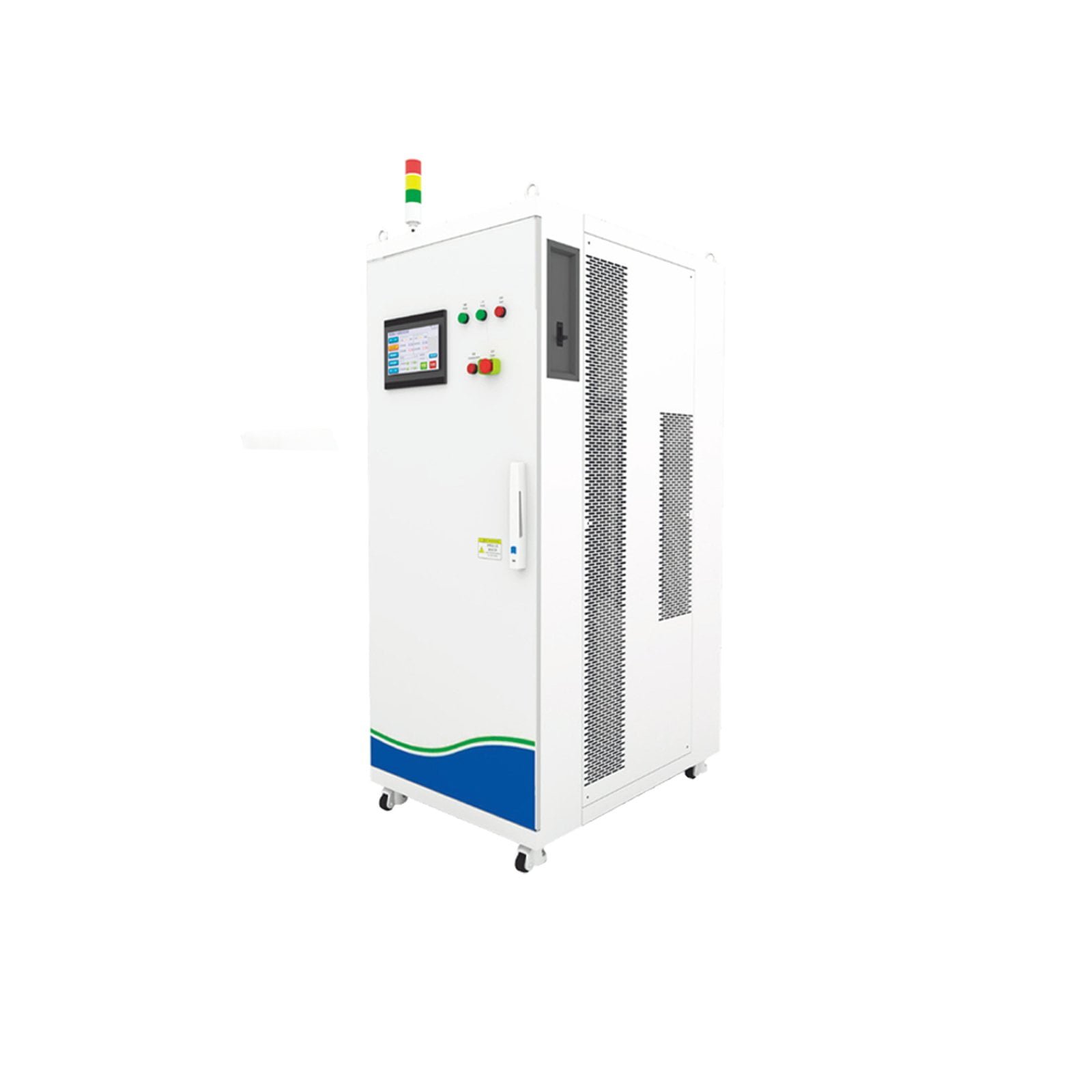
Start with the state before the interruption
Specify the operating condition that the proposed review represents. A unit that was stopped before a supply interruption may be expected to behave differently from one that was delivering a controlled process output. Record the selected mode, active command source and relevant stored recipe information. Ask what the offered controller retains and what it clears, without assuming that every model has the same memory behavior.
Keep planned shutdown, momentary disturbance and a longer loss of supply distinct where they matter to the project. The responsible engineering team should decide which conditions require evaluation and how to represent them without exposing an operating production line to an unapproved test.
Make the handover repeatable
For the approved review, preserve the before-and-after states, relevant indications, command history and outcome. Identify the equipment, controller program and configuration revisions. Record any deviation and its authorized disposition before describing the sequence as accepted. A demonstration without these identities is difficult to repeat after a control update.
Ask the supplier to include the agreed restoration behavior in the operating documentation for the delivered configuration. If the process owner later changes a recipe, control source or permissive, review the affected restart evidence. Do not extend acceptance of one sequence to every possible interruption or future line modification.
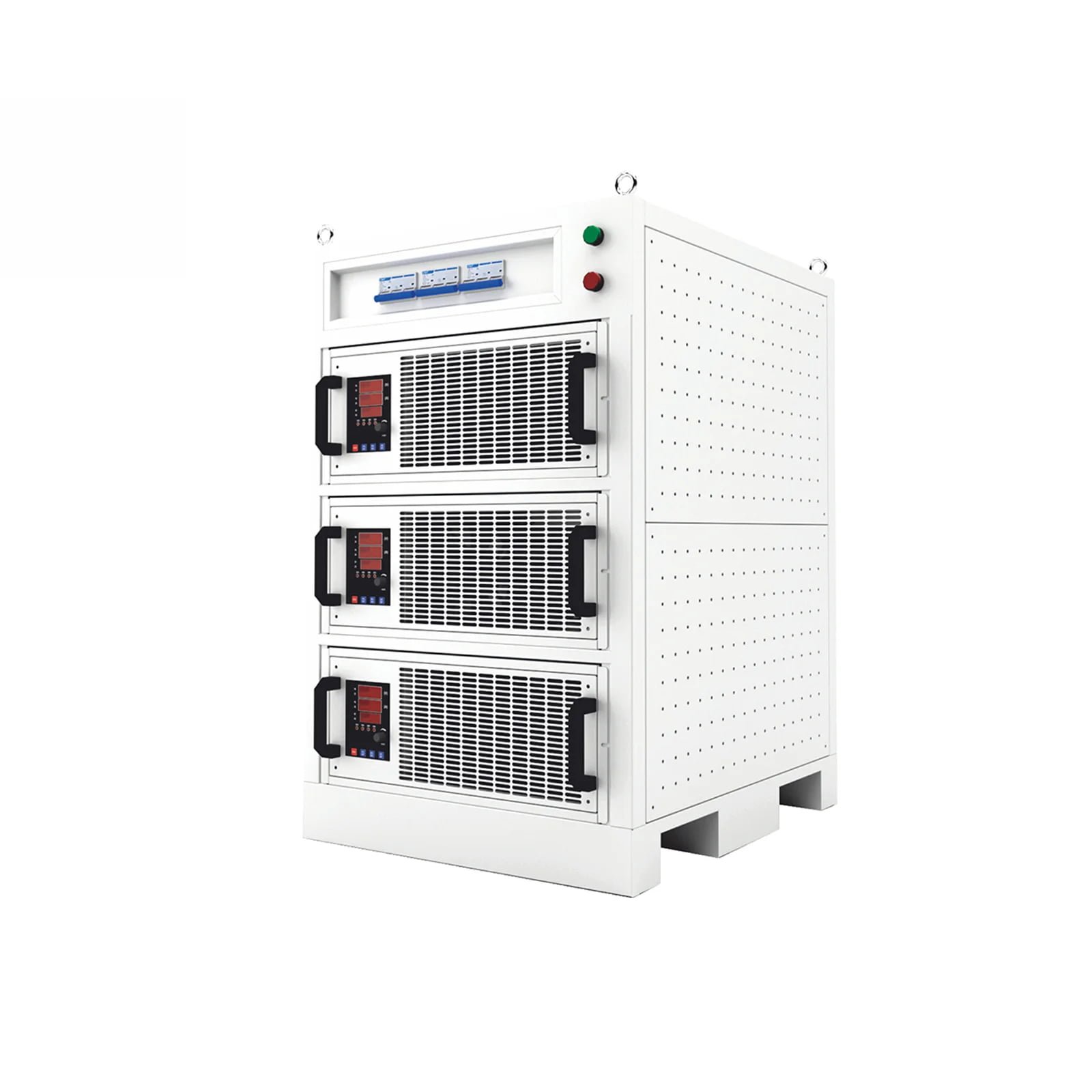
Resolve retained settings and restart commands
A stored current or voltage setting is an instruction value, not automatically a permission to apply output. Ask how the proposed rectifier and line controller handle a previously selected value after initialization. Confirm whether the arrangement requires a new command, an operator acknowledgment or another defined permission. The project must decide the acceptable behavior instead of inferring it from the way a display powers up.
Keep acknowledgments distinguishable from actual process commands in the acceptance record. If an acknowledgment clears an indication, document whether it also affects output permission. A single ambiguous label in the handover document can conceal a significant difference between supplier assumptions.
Buyer needs and the evidence to request
| Buyer need | Recommended scope | Key specification | Why it matters |
|---|---|---|---|
| Initial operating state | Offered industrial rectifier and assigned line interface | Project-defined requirement and acceptance owner | Makes unlike quotations distinguishable |
| Initialization and ready definition | Offered industrial rectifier and assigned line interface | Project-defined requirement and acceptance owner | Connects the review to an observable outcome |
| Retained-setting treatment | Offered industrial rectifier and assigned line interface | Project-defined requirement and acceptance owner | Separates equipment evidence from process claims |
| Restart authority and handover revision | Offered industrial rectifier and assigned line interface | Project-defined requirement and acceptance owner | Keeps repeat supply tied to the accepted revision |
Suitable projects and purchasing boundaries
Best for plating-line builders, process-equipment integrators and industrial buyers preparing an identified power-supply acceptance package. Suitable for a new installation or a controlled replacement where the command, connection and operating boundaries can be documented. Not suitable for inferring a protective rating, universal compatibility or process performance from a generic product illustration. Ask QEEHUA to confirm the actual model, available options and supplied scope against the project brief.
Procurement questions
What should accompany the first technical inquiry?
Send the required voltage and current envelope, duty cycle, cooling conditions, installation country and quantity. Include the operating state immediately before the interruption. Attach the relevant interface drawing and identify the person who can resolve technical questions. Mark mandatory requirements separately from preferred options, and ask the offer to identify assumptions rather than silently treating missing information as an accepted specification.
How should the proposed configuration be compared?
Compare the offered model and its documented options against the same project requirement. Include the meaning of the offered ready indication. A similar cabinet appearance or a broad statement about automation does not establish equivalent behavior. Request a written deviation list and decide which questions need document review, a representative demonstration or another agreed form of evidence before releasing the order.
Which records should close the acceptance review?
Retain the approved procedure, equipment identity, configuration revision, observations and disposition of deviations. Include the relationship between stored settings and output permission. Connect each result to the requirement it addresses and name the acceptance owner. Keep unresolved conditions visible in the release record. A collection of screenshots without the operating context or configuration identity is difficult to use during later service or repeat procurement.
Can the interface or documentation be customized?
Submit the requested interface, indication and documentation changes with the RFQ. Include the assigned owner of cooling and line dependencies. Ask QEEHUA to confirm feasibility, the applicable model and any effect on sample review or delivery. Do not treat an unconfirmed option as standard equipment. Keep the accepted changes in the controlled specification so the delivered version can be distinguished from a general catalog reference.
What is needed before agreeing the delivery schedule?
Confirm the technical scope, approval responsibilities, quantities and destination before requesting a delivery commitment. Include the evidence retained after a control-program revision. Separate documentation review, any agreed demonstration, production completion and arrival at the project. Ask the supplier to identify dependencies and exclusions. This guide establishes no stock position or fixed lead time; the actual quotation must confirm the schedule and supplied configuration.
Send QEEHUA the acceptance brief
For an accurate project quotation, provide the application, destination, required quantity, output envelope, duty and cooling inputs, controlled interface drawing, acceptance owner, requested documentation and target delivery date. Identify the open questions in the matrix and the evidence needed to close them. Contact QEEHUA with the project specification so the proposed equipment and review scope can be confirmed before a production order.