01
Current distribution
Controlled output supports more repeatable copper deposition across complex board geometries.

输入关键词开始搜索
Stable DC and pulse power for copper deposition, through-hole plating and demanding PCB production lines. Configure the rectifier around output, cooling, control and process requirements—not a one-size-fits-all rating.
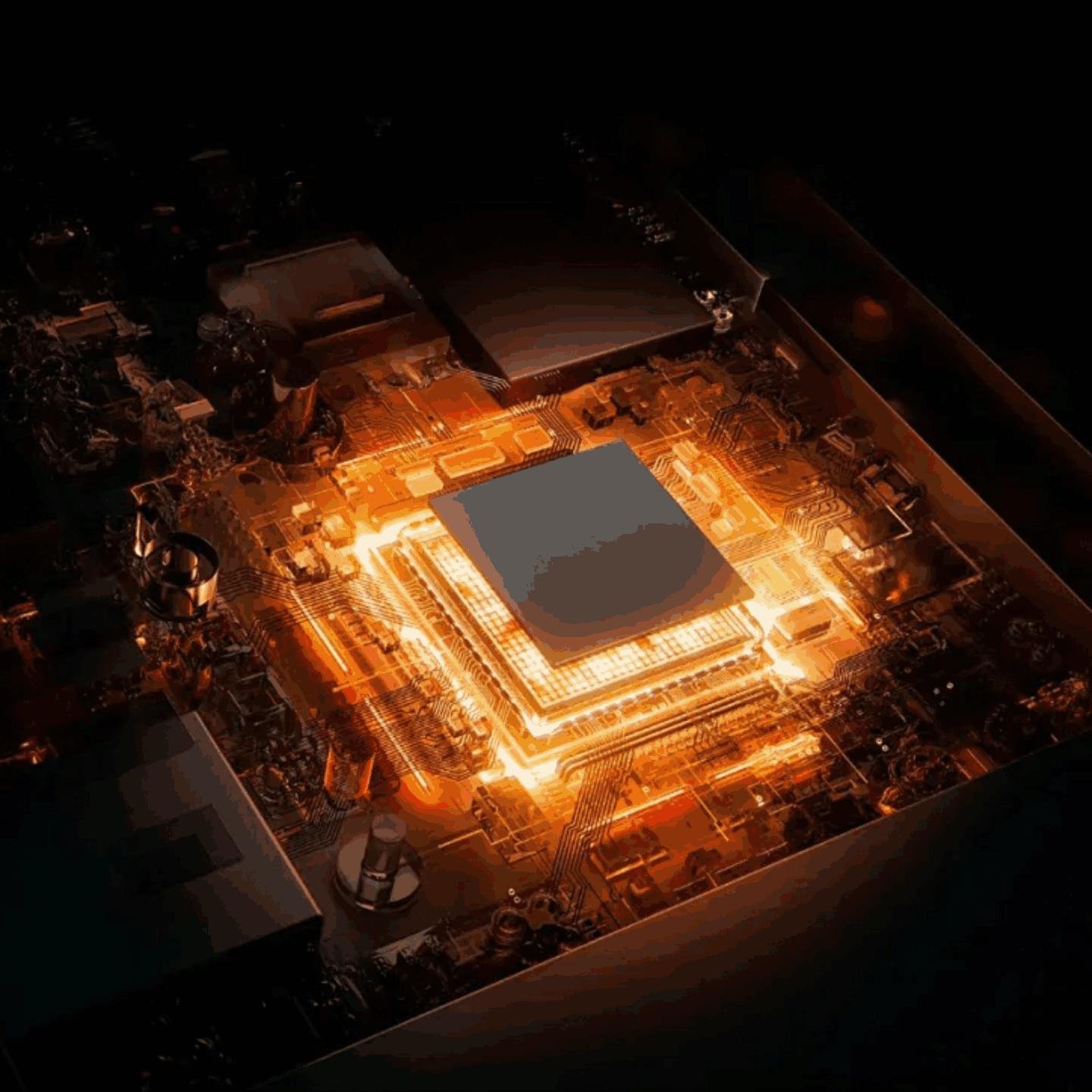
In PCB electroplating, the power source sits inside a process chain where current distribution, waveform, cooling and control all influence repeatability. The practical objective is simple: keep the DC output stable so the plating process can stay stable.
QEEHUA positions its industrial rectifiers around high-frequency conversion, low-ripple output, configurable cooling and digital control for production environments.
Controlled output supports more repeatable copper deposition across complex board geometries.
Stable output helps reduce process variation where coating quality depends on precise power delivery.
Pulse-capable systems can address processes that need waveform control beyond conventional DC.
Industrial-duty configurations are built around cooling, protection and long production cycles.
Use the same design logic across copper deposition, through-hole plating and advanced surface-finishing processes.
Stable DC output for controlled copper deposition and repeatable coating thickness.
Configure the supply around the required current, process chemistry and board geometry.
Pulse-capable output can support demanding copper distribution requirements for advanced boards.
Choose waveform, cooling and control architecture according to the finishing process and line design.
Three QEEHUA product families are especially relevant when the PCB line requires stable output, high current or waveform control.

High-frequency industrial DC power for plating lines, including PCB electroplating, with configurable output and protection functions.

Pulse-capable power with configurable waveforms, touchscreen control and operation-data retrieval for process traceability.

Energy-efficient high-current DC architecture with modular redundancy for demanding continuous industrial operation.
PCB lines differ in current demand, cooling conditions, control architecture and production duty. The rectifier should be selected as part of the line—not as an isolated catalogue item.

A better RFQ starts with process data. These are the practical inputs to prepare before final rectifier sizing.
Define the working range and peak requirement instead of specifying only a nominal label.
State the process type, plating area, chemistry and target current density.
Include ambient conditions, available water supply, footprint and line-side installation constraints.
Clarify standalone, PLC, remote, RS485, analogue interface or other plant-control requirements.
Confirm operating hours, continuous-load expectations and destination certification requirements.

QEEHUA describes its manufacturing workflow around application review, electrical design, assembly and verification before delivery.
Confirm application, power requirements, cooling, interface and installation conditions.
Complete module selection, cabinet structure, electrical layout and control interface planning.
Build and inspect the equipment using the defined electrical and mechanical configuration.
Verify output performance and protection functions before shipment.
Share voltage, current, process, cooling and control requirements. Start with the process parameters, and build the power configuration from there.
We are committed to providing intelligent electroplating power solutions worldwide. Our expert team is ready to help you optimize your production processes with cutting-edge technology and reliable support.