01
Low-Ripple Output
Clean DC minimizes the AC component that can stress sensitive PEM membranes.

输入关键词开始搜索
QEEHUA rectifier systems are configured for alkaline and PEM water electrolysis—delivering low-ripple DC, responsive output control and dependable operation for industrial hydrogen production.
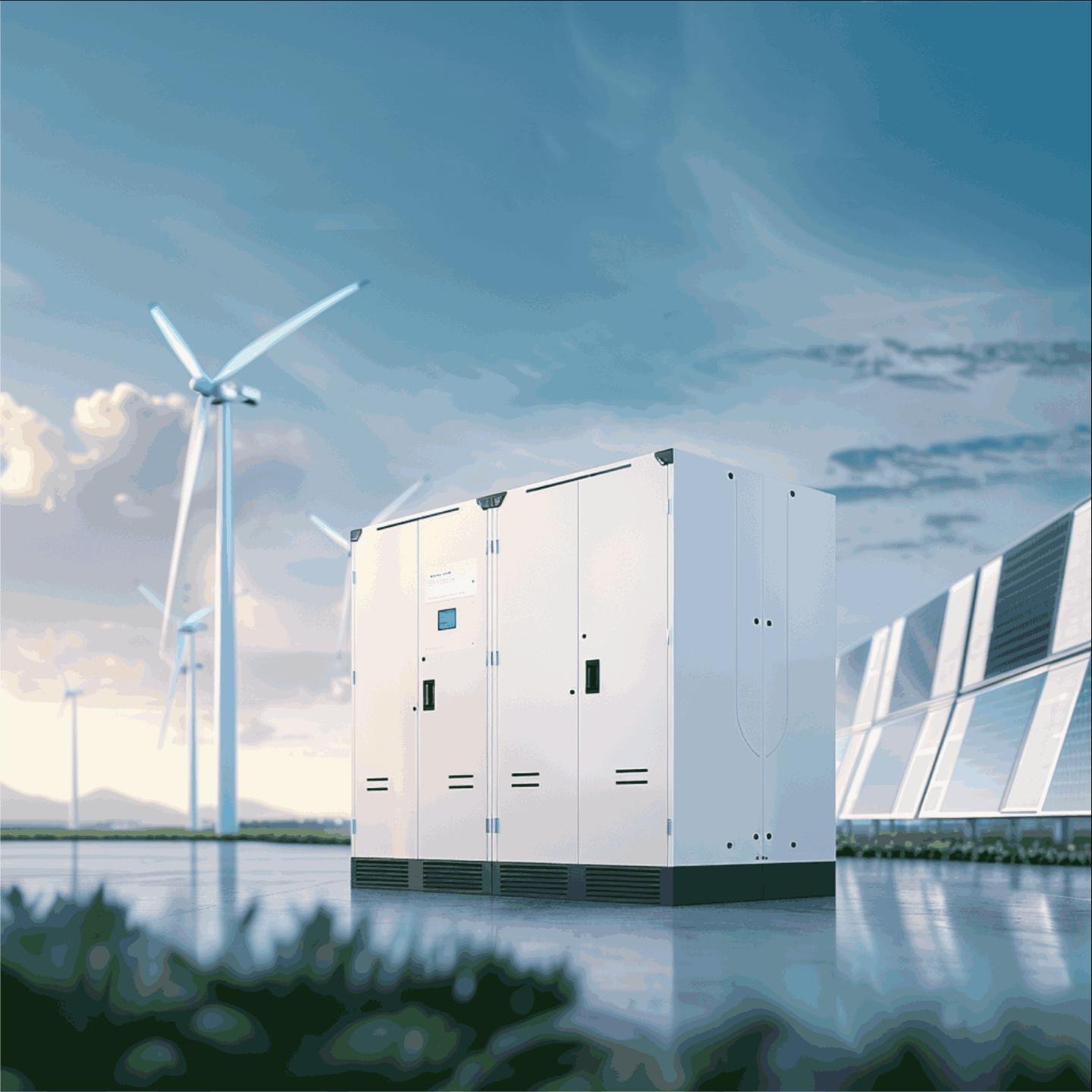
The rectifier is the interface between your power source and the electrolyzer stack. Stable, low-ripple output helps protect membranes, control hydrogen production and support predictable long-term operation.
Clean DC minimizes the AC component that can stress sensitive PEM membranes.
Responsive current control follows operating changes and renewable-power variation.
Water-cooled, industrial-duty architecture supports extended full-load production.
Protective functions, alarms and remote communications support safer operation.
From steady alkaline stacks to fast-response PEM systems, QEEHUA engineers the DC architecture around process tolerance, availability and plant integration.
High-current, medium-voltage DC with controlled ramping for alkaline electrolyzer stacks.
Low-ripple, precise and fast-response output for membrane-sensitive applications.
Flexible control strategies support hydrogen projects connected to wind, PV or grid power.
Modular and N+1 architectures support scalable capacity and maintenance planning.
Explore QEEHUA industrial DC products that can be configured around electrolysis duty, output range, cooling and control requirements.

N+1 high-power architecture for industrial electrolysis with automatic current sharing.

N+1 module stacking with digital status monitoring and automatic fault isolation.
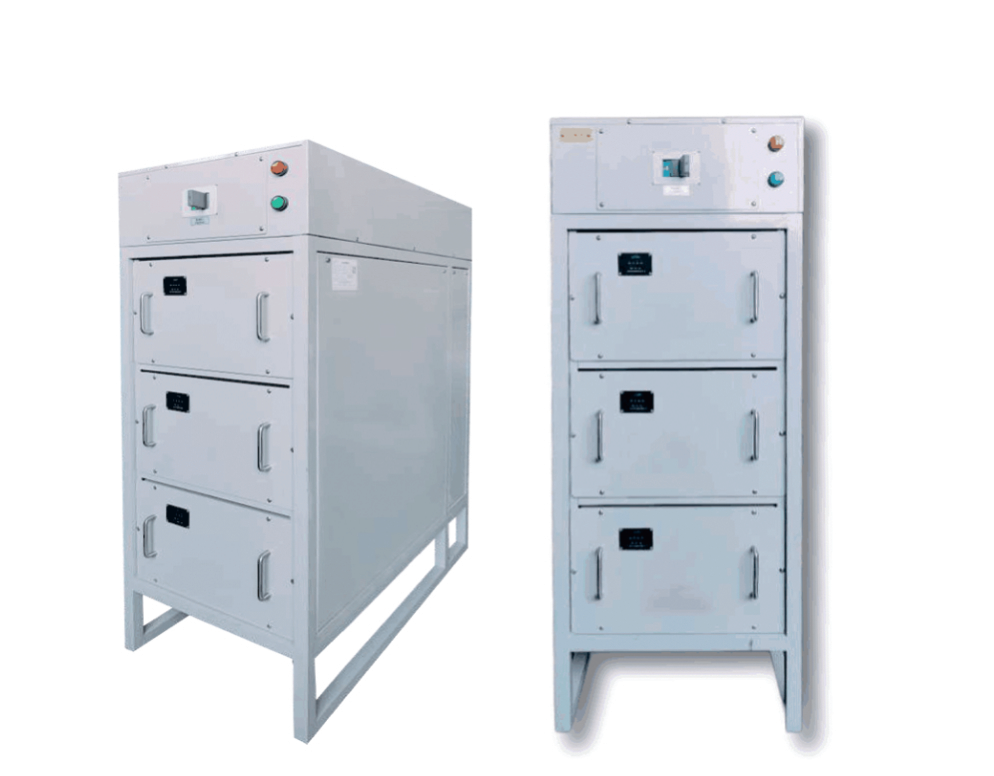
Compact water-cooled DC platform with remote control, RS485 communication and protection functions.

Output rating is only the starting point. QEEHUA evaluates the electrical, thermal and control conditions that determine stable stack performance and plant availability.
The practical rectifier solution begins with your stack technology, production duty and power-system interfaces.
Alkaline or PEM stack type, rated hydrogen output and planned operating profile.
Stack voltage range, continuous current, overload conditions and required power capacity.
Ripple tolerance, regulation accuracy, ramp rate and response requirements from the stack supplier.
Cooling-water conditions, cabinet location, hazardous-area classification and required interlocks.
PLC / SCADA protocol, signals, redundancy, test records and commissioning responsibilities.

Each project connects required electrical performance with practical assembly, cooling, controls and verification before delivery.
Confirm stack technology, output, ripple, cooling, safety and control requirements.
Select power modules, filtering, cooling circuits, protections and communications.
Complete cabinet wiring, cooling connections and production-stage quality checks.
Verify output stability, protective response, communications and delivery records.
Tell QEEHUA your stack specification and plant requirements for a practical rectifier recommendation.
We are committed to providing intelligent electroplating power solutions worldwide. Our expert team is ready to help you optimize your production processes with cutting-edge technology and reliable support.